


TheRumLab North American Spotlight Series – Rumcast Interview
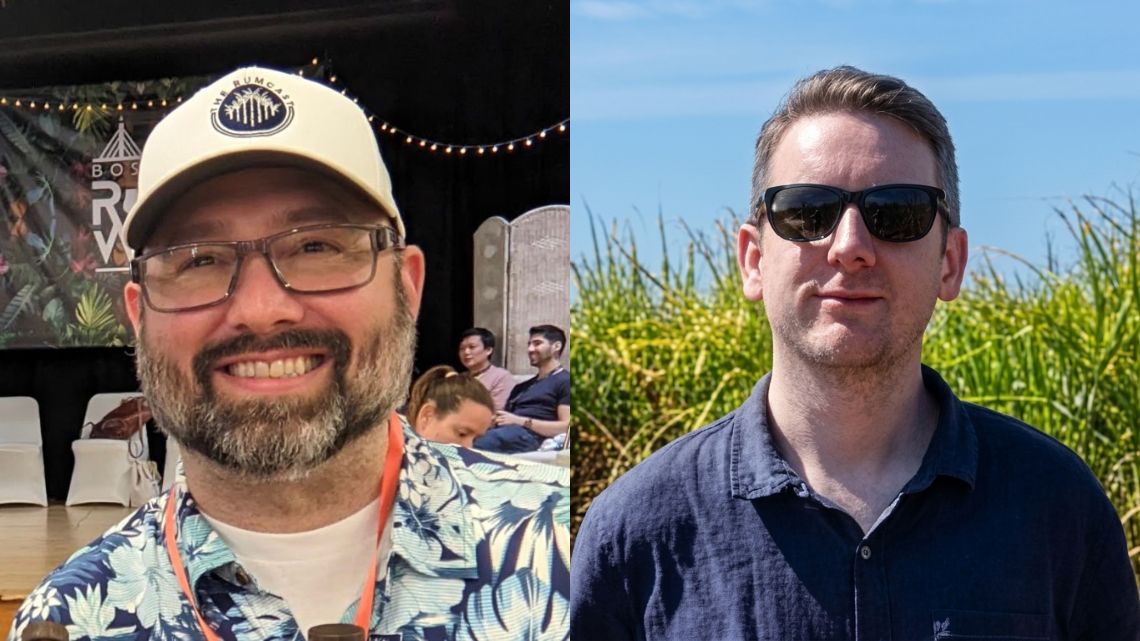
Welcome back to Part 2 of the RumLab & Superlative Spirits North American Spotlight Series! This time we’re excited to present an interview with John and Will, hosts of the acclaimed Rumcast Podcast.
Whether you’re a seasoned rum hobbyist or new to the scene the Rumcast Pod is a must listen. John and Will have been some of the top few voices in the rum scene in America for years now and being hobbyists themselves (and not in the industry) always give a fresh, unbiased take (and tasting notes) on the latest news and releases in the rum world.
In 2025 they decided they wanted to get in on the fun by picking their own Rumcast single barrels and releasing into the market. If you’ve always wondered what it takes to do that you should give the series below a listen. Where some producers can be hesitant to share the secret sauce to sourcing rum and how it gets to market John and Will give a full unadulterated view into that world.
- Rumcast Single Barrel Project (Part 1)
- Rumcast Single Barrel Project- What’s in a Name (Part 2)
- Rumcast Single Barrel Project- Inside the Barrel Picking Process w/ Main Rum (Part 3)
- Rumcast Single Barrel Project Bottle Reveal
Happy sipping!
🥃✨🥃
– Ryan Gilbertie, Superlative Spirits
Will Hoekenga & John Gulla – Rumcast Pod Founders
March 2026
First tell us a little about yourselves- who’s behind the Rumcast, how did you get into podcasting, and what drew you to focusing on rum?
Will: I’d been a rum hobbyist for a few years and had already started a newsletter about American rum producers called American Rum Report. But I’d always been interested in focusing on the global rum landscape as well, and a podcast felt like the right format. It didn’t all come together though until I was lucky enough to meet John at Miami Rum Renaissance festival in 2019. Finding someone else who wanted to do a rum podcast is what made it happen.
John: Growing up, my father was in the Spirits business, so rum and whiskey have always been present – even though my parents didn’t drink. I didn’t become interested until I was 29 years old, when I took a trip to Louisville and did the Bourbon trail. I found there was a lot from the distillation and craft side of spirits that I was interested in as much as imbibing them.
A couple years later, I began my journey into rum, and quickly came to appreciate its diversity of and history, which led me to seek out more education on it. As an avid board gamer, I loved listening to podcasts about games and realized that there really wasn’t a long-form podcast dedicated to rum out there. I had the idea stewing in my mind, so when I met Will at that rum festival, I felt like this was my shot to make it happen!
We both felt that there’s a ton to discuss about so many various aspects of rum, and even if no one else besides us listened or cared, we wanted to put something out there we felt was helpful and constructive within the rum space.
From your perspective as a leading rum pod, how would you describe the current state of the global rum industry?
Will: I’ll speak from the enthusiast’s perspective rather than an economic perspective. It’s a pretty great time to be a rum enthusiast. You can walk into a quality store in the U.S. and find SO many rums that weren’t available even just five years ago. Lots of new independent bottlers and importers of existing brands have entered the picture, and they’ve really helped expand our access to the amazing stuff distilleries are doing all over the world.
It can be frustrating that rum isn’t appreciated or valued like it should be—especially for producers—but that also somewhat insulates the category from the worst tendencies of more popular categories like bourbon. It’s rare to encounter a new release that’s just impossible to come by.
From the producer’s perspective, it’s tough. They constantly battle the consumer misconceptions we’re all familiar with. There’s still a huge need for education. And they’re facing the same broad industry trends that every spirits category faces right now (declining demand, environmental challenges, unpredictable tariffs, etc.).
What trends or shifts have stood out most to you in the past few years?
Will: I’m pledging to make it through this answer without using the word “premiumization” once. Deep breath! OK, let’s go.
The growing emphasis on terroir and provenance: Everyone from distillery brands to bottlers are going to greater lengths to showcase how raw ingredients and place impact the final product. You see this in the types of products released and how they’re marketed — from high-end releases like Mount Gay’s estate rum series, to mid-market bottles like Rhum JM Terroir Volcanique, to bottlers like Velier highlighting tropical aging in new ways with the Papalin series. You also see it in the ongoing push for geographical indicators (GIs) by the majority of producers in Barbados and Jamaica. Origin, climate, geography, and intrinsic characteristics are only becoming more important as brands seek to showcase, and protect, what makes their rums unique.
The rapid spread of global styles: Rum nerds have an insatiable appetite for spirits from unfamiliar origins, and producers, bottlers, and importers aren’t leaving us hanging. The availability of releases from every continent (not counting Antarctica…yet!) in export markets has exploded over the last few years. From Ghana to Taiwan to Sicily to Mauritius to Scotland to Mexico…it’s such an array of styles that it’s hard to keep up with. It includes producers that are brand new and producers that have been at it for decades. Some of these releases are getting serious attention and praise, too. Look at the consistently glowing praise for Alambique Serrano out of Oaxaca for just one example of a success story.
Creative cocktail rums: Brands want to help bartenders (and folks making cocktails at home) harness the wide range of flavors in rum, which has led to some really cool releases. There has been a wave of rums from distilleries, independent bottlers, and third-party brands geared for making distinctive cocktails. Probitas, Worthy Park 109, Transcontinental Rum Line High Seas, Holmes Cay’s Heritage Blend and Single Origin rums, Rhum JM’s Atelier series, Hamilton’s blends, newcomers like Banter, and many others I’m probably forgetting make up a highly diverse range of cocktail-centric rums that offer something beyond mass market rums that skew more neutral in profile.
There are others we could discuss, but those are the first trends and shifts that come to mind for me.
Contrast that with the current state of the American rum industry
What changes or trends have you seen in the rum market in America in the last 5 years or so? Ex: types of products being released, consumption style, public opinion on the category etc.
Will: If we’re talking about rums produced in the United States, age statements have definitely been trending up. That might be a bit of a “duh” takeaway given how many new rum distilleries have opened over the last 15 years, but it’s notable. It used to be fairly uncommon to find even a 5-year-old American rum. Now there are multiple producers releasing them regularly, and some even getting to 8, 9, and 10 years old.
You’re also seeing more cane juice rums from places like Louisiana, Hawaii, and Florida, which is always welcome.
On the non-producer side, there’s been a huge increase in the number of American independent bottlers that have entered the scene, including Raising Glasses, Down Island, Roaming Road, Mainland Rum (which focuses on American rums), Spinnaker, and others. They’ve joined bottlers that have been at it a bit longer like Holmes Cay, Rolling Fork, and the granddaddy of them all, Hamilton. On top of that, you have more rum-focused importers like Superlative Spirits, Raising Glasses (pulling double duty!), Spaghetti Western, and PM Spirits bringing in more brands that were previously unavailable in the States. This all adds up to a way more diverse rum selection that we had even just a few years ago.
I’d also be remiss to not shout out the many cool things happening in Puerto Rico, which has its own craft distilling movement. It’s not all just Bacardi and Don Q / Serrallés brands anymore. New distilleries are putting their own spin on the Puerto Rican tradition, from Destilería Coqui on the west coast to Crab Island out on Vieques. You even have fantastic cane juice rums coming from San Juan Artisan Distillers. It’s an exciting time.
What characteristics or qualities do you feel define “American Rum”?
Do you believe the category has established its own identity yet?
John: American rum as a category is such a tricky thing to define once you start trying to apply common characteristics or specifics beyond the national boundary itself. Much like America, we are a diverse nation of people and backgrounds, and our rum-making traditions in various regions really show that.
For example, I think most rum enthusiasts feel that Louisiana rum is starting to coalesce an identity – but that’s a very different identity than rums made in the New England area (such as Privateer). I don’t feel like trying to group those (or rums made in other places or states) is really helpful for either, and it may even be harmful.
With that in mind, I try to look at it like American Rum as a bigger umbrella term, which itself houses a number of regional styles and differences.
What are some of the most exciting things American rum producers are doing right now?
Will: For the most excitement, go where the sugarcane grows! The producers in places like Louisiana, Hawaii, and even Georgia are using their access to fresh cane to do really cool stuff. You see everything from single cane varietal releases, to inventive blends, to true farm-to-glass operations. There’s something to be excited about in most parts of the country, but those are the ones I keep coming back to. In Louisiana alone, you have Cheramie Rum, Roulaison, Sugarfield Spirits, and Oxbow all doing impressive rums tied to the land in unique ways.
What challenges do U.S. rum distilleries consistently mention when it comes to production, regulation, or consumer perception?
How do these challenges differ from those faced by rum producers in traditional rum-making regions?
Will: Distilling is a capital-intensive business, so funding and getting to sustainable scale is a huge challenge for new U.S. rum producers (though that’s true basically anywhere in the world). There’s also a lack of consumer awareness around rum’s place in the U.S. It has historical ties, but most people aren’t aware of them. So the idea that quality rum can be made here is still a bit of a head scratcher for many.
Everyone faces regulatory challenges and the degree to which they vary from state to state is its own separate challenge, particularly when you want to expand distribution to new markets.
In your experience, how knowledgeable is the average U.S. consumer when it comes to rum?
What myths or misconceptions do you find yourselves debunking most often?
John:
Finding consumers who are interested enough in the category to really understand it and make informed purchasing choices is exceedingly rare when compared to the number of people who simply come in a store to buy a bottle of rum they are already familiar with. I’ve actually stood in rum aisles at larger spirits retailers for a while and watched as person after person simply go by brand recognition or allegiance (usually picking among the top 5 brands who spend tons of money on advertising) appearing to have blinders on to the other offerings right next to those bottles. The few who do look with a more discerning eye typically look for price and rarely read labels.
The classic, “all rum is sweet” is more pervasive – to the surprise of no one reading this – but I’d say the more damaging is that the average consumer does not recognize rum has the ability to compete with other spirit categories in terms of overall quality as a spirit enjoyable on its own.
Do you feel the growth of craft distilling in the U.S. is having a positive impact on the rum category?
Will: Yes. Even though quality varies, most of the craft distilleries that are focused on rum are about the right things and fighting against a lot of the same misconceptions as global rum producers. I like to think of them as small ambassadors for the category, each educating their local market(s) one tour or tasting at a time.
From a storytelling and cultural perspective, what makes rum compelling?
What similarities and differences do you see versus the bourbon, scotch or tequila categories?
John: As a worldwide spirit, rum has so many stories to tell! From an American perspective, rum was so important to our early formation as a country, and I do lament that Bourbon is considered by many as the most “American” spirit in our own time. I love telling people about rum’s pivotal role in our own past and seeing how their perspective often shifts in almost real-time.
This is to say nothing of how important rum is to so many other nations and how it is so deeply woven into their own cultures in many ways. The story of rum is found in its dynamism and its diversity.
You recently went to the U.K. to select and bottle your first single barrel rum picks that are now available in the U.S. market:
- Rumcast Reserve Guyana 9 year single barrel Molasses
- Rumcast Reserve Mauritius 5 year single barrel Cane Juice
Tell us a little about why you decided to do that, how the process went and where interested readers can find more information.
Will: The primary goal of the project was to take podcast listeners behind the scenes of a rum release from start to finish. All the way from choosing where to source, to designing a label, to traveling to Liverpool to select the casks at The Main Rum Company, to putting it up for sale. The hope was that we’d find some cool rums for listeners to enjoy and not lose any money.
Since we were traveling all the way to Liverpool, we thought it made sense to look for rums that reflected the location in some way. That’s tricky, of course, since Main Rum is a broker that sources rums from all over the world and not a distillery. However, they do have a hand in cask selection and management, and the aging environment also plays a role in shaping the rum as well.
That led us to selecting two rums that were aged entirely in Main Rum’s warehouses, both in casks that they selected. The Guyana rum, distilled in the legendary Versailles wooden pot still at Diamond Distillery, was aged in a heavy char ex-rum cask, while the Mauritius, distilled at Distillerie de Labourdonnais, was aged in an ex-English malt whisky cask. Both rums are evocative of their origins (which was also important to us), but the impact of the casks and aging environment also play a prominent role in their flavor profiles. If you want to know what rums that pass through Main Rum’s hands taste like, these are both great examples.
Plus, they’re also a contrast in styles. One is a pot still, molasses-based rum distilled at a storied Caribbean distillery. The other is a column still, cane juice-based rum distilled at a much newer distillery on the other side of the world. They make for a great comparative tasting.
You can find all the episodes on the project here and there’s still a few bottles of each release left (for now!) either online or in select markets like California and Massachusetts.