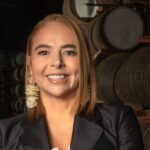


Pierre Bardinet, Production & Export Sales Americas at Les Bienheureux: A Legacy of Rum and the Rise of Costa Rica’s First Single‑Estate Spirit
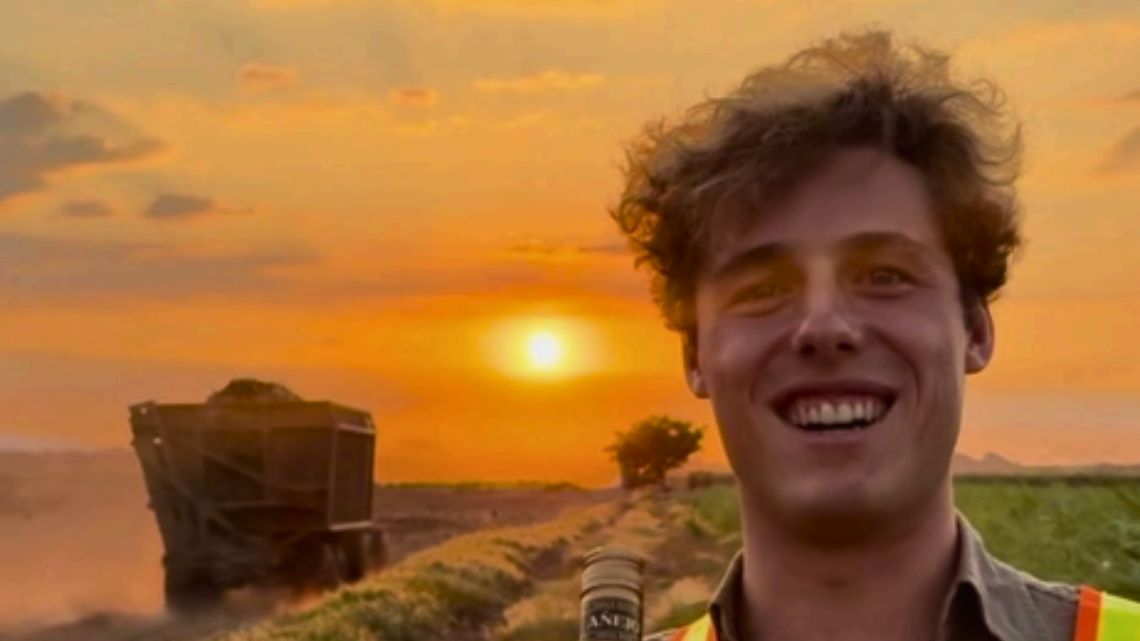
For Pierre Bardinet, rum is more than a profession—it’s a family legacy dating back to 1857 in Bordeaux. After joining Les Bienheureux in 2020 while completing his food‑industry engineering studies, he began working closely with Master Blender Olivier Dumont on spirits development. His role quickly expanded, leading him to oversee the creation of the company’s joint‑venture rum distillery in Costa Rica.
In 2024, Pierre relocated to the United States to drive the international expansion of Les Bienheureux’s rum portfolio. With the launch of NICOYA—the first single‑estate rum grown, distilled, and aged in Costa Rica—his mission is clear: to bring the spirit and identity of Costa Rica to the world stage.
TRL: What was the biggest challenge you faced in launching your rum brand, and how did you overcome it?
The main challenge was regulatory. Spirits production in Costa Rica was historically under a state monopoly.
It took two years of administrative work to obtain the right to distill, and another two years to access the domestic market. We succeeded by committing long-term, investing locally, and positioning the project as a showcase for Costa Rican agriculture and know-how.
We now embody the PURA VIDA motto of Costa Rica!
TRL: How do you see the rum market evolving in the next 5-10 years, and what trends do you think will shape the future of the industry?
Working closely with Olivier Dumont on rum production, we quickly realized that rum remains one of the least transparent major spirits categories.
As agave did with 100% agave standards, origin protection, and ageing rules, rum will inevitably follow. Within 5 to 10 years, consumers will demand clarity on raw materials, origin, and genuine ageing.
If Champagne imported grapes from somewhere other than the Champagne region of France, it would no longer be Champagne. Same for Cognac, same for Grand Cru wines, in my opinion, the same logic must apply to rum.
Coming from France, where terroir is fundamental, our conviction is clear: great rum starts with great sugarcane. We distill exclusively from single-estate cane grown next to our distillery in Guanacaste, Costa Rica.
Recent European labelling regulations on ageing are a decisive step forward, pushing the category toward greater honesty and maturity.
TRL: Can you share a personal experience or moment that significantly influenced your brand’s direction?
When we discovered the first 3D mock-up of our bottle, designed to embody Costa Rica’s nature, energy, and identity, it was a turning point.
At that moment, we knew there was no room for compromise. The liquid had to be at the same level of excellence as the bottle.
TRL: How do you balance tradition with innovation in your approach to rum-making or marketing?
Tradition comes from applying French wine and Cognac savoir-faire to rum: strict raw-material selection, temperature-controlled fermentation, and disciplined barrel ageing.
Innovation, for us, means accessibility and pleasure. Our Pineapple and Passion Fruit rums prove that premium rum and premium flavours work beautifully together.
TRL: What are some recent initiatives or products you’ve launched that have been particularly impactful?
The launch of NICOYA single-estate rum in Costa Rica in December 2025 was a defining moment. Seeing the bartender community embrace the first 100% Costa Rican rum confirmed both years of work and a strong emotional demand for a national premium rum.
TRL: How do you educate consumers about your rum, and what’s the most important lesson they should take away?
Taste, taste, taste.
We enjoy going deep technically with the rum-enthusiast community, because they trust us to deliver authenticity and quality. But most consumers are not looking for complexity; they want pleasure, balance, and a strong quality-to-price ratio.
Our role is to deliver both: technical credibility for experts, and immediate enjoyment for everyone.
TRL: How do you manage quality and consistency as your brand grows and enters new markets?
Our distillery is surrounded by 25,000 acres of sugarcane fields, representing over 40 million potential bottles. This gives us long-term security on raw materials.
By fully controlling sugarcane sourcing and production processes, we can scale responsibly while maintaining consistency and quality.
TRL: Can you share a collaboration or partnership that helped elevate your brand to new levels?
Collaborating with our sugarcane-growing partner in Costa Rica made the creation of a true single-estate rum possible. Established in the Nicoya region for more than a century, their family brought deep expertise in sugarcane cultivation, which we transformed into liquid pleasure: rum.
TRL: What is your long-term vision for your rum brand, and how do you see your role in the evolution of the rum industry?
Our ambition with NICOYA is clear: to position Costa Rica as a great rum-producing country and to establish single-estate rum as a true mark of quality within the category.
Personally, I want to stay deeply involved in production, sustainability, and traceability, while acting as an ambassador for transparency in rum. And, of course, to take pleasure, because our industry is, and must remain, one of conviviality and shared enjoyment.
TRL: What’s one piece of educational advice you would give rum lovers to better understand the spirit?
Raw material represents at least 50% of a spirit’s final quality.
Before buying a rum, ask three simple questions: what is the raw material, where does it come from, and was it chosen for availability or for quality?
In my view, single-estate rum that blends the three great rum traditions, pure juice, molasses, and sugarcane honey, offers one of the most complete answers.