


Sonia López Solis, Head of Aging and Research at Casa Botran: Guiding Quality, Sensory Excellence, and the Evolution of Guatemalan Rum
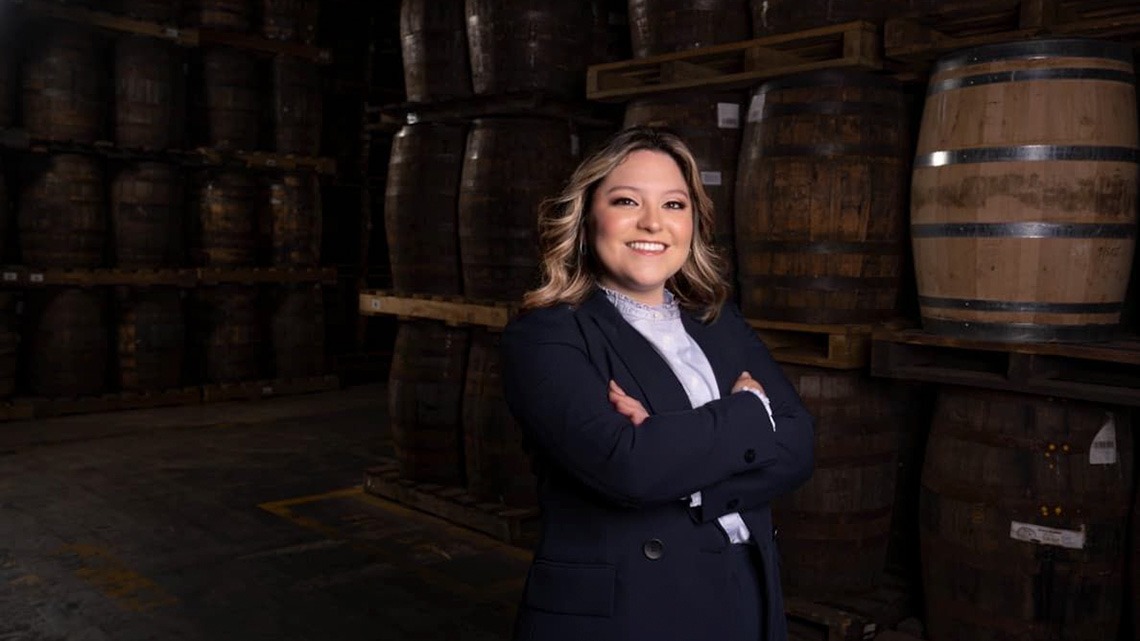
With a career rooted in quality, sensory expertise, and the science of maturation, Sonia López Solis has become an essential force within Casa Botran. She began her journey at Licores de Guatemala in the Quality Assurance department, where she spent five years overseeing laboratory operations and the company’s quality system. This early experience allowed her to deeply understand product behavior, master the nuances of the dynamic Solera system, and develop a strong foundation in sensory analysis and panel training.
Two years ago, Sonia joined Botran as Head of Aging and Research, a role that places her at the heart of production. Today, she supports blend management, leads sensory panel development, and provides technical guidance across the aging program. Her work ensures that every expression of Botran remains faithful to its heritage while continuing to evolve through research, precision, and innovation.
TRL: What was the biggest challenge you faced in launching your rum brand, and how did you overcome it?
It has been both a blessing and a real challenge. Throughout my career, I have worked in predominantly male environments, which pushed me to work harder, prove my capabilities, and earn my place through knowledge, consistency, and results. Launching my rum brand meant not only developing an exceptional product, but also navigating perceptions, breaking stereotypes, and standing firm in my vision.
I overcame these challenges through perseverance, continuous learning, and staying deeply connected to the technical and sensory aspects of rum making. This journey has allowed me to grow both professionally and personally, while also opening doors and creating space for other women within the industry.
TRL: Can you share a personal experience or moment that significantly influenced your brand’s direction?
A defining moment for me was my early work in quality assurance and aging, where I had the opportunity to deeply understand how time, environment, and decision-making shape a rum’s identity. Being closely involved with the solera system and sensory evaluation taught me that consistency and character are built through intention and patience. That experience strongly influenced my brand’s direction, reinforcing my belief that great rum is not rushed, it is guided, respected, and constantly evaluated through both science and sensory perception.
TRL: How do you balance tradition with innovation in your approach to rum-making or marketing?
For me, tradition is the foundation it represents the knowledge, techniques, and values that define our identity. Innovation comes from understanding those traditions deeply enough to know where thoughtful improvements can be made. In rum making, this means respecting aging processes and blending methods while applying rigorous sensory analysis, data-driven decisions, and continuous learning.
TRL: What are some recent initiatives or products you’ve launched that have been particularly impactful?
One of the most impactful initiatives has been strengthening the role of sensory analysis in blend development and quality follow-up. By investing in structured training and calibration of the sensory panel, we’ve enhanced consistency and depth across our profiles.
TRL: How do you educate consumers about your rum, and what’s the most important lesson they should take away?
Education begins with transparency and storytelling. I believe in helping consumers understand where rum comes from, how it’s aged, and why certain sensory characteristics develop over time. Through tastings, technical explanations, and guided sensory experiences, we invite them into the process. The most important lesson I want consumers to take away is that rum is a complex, passionate, carefully crafted spirit one that reflects time, expertise, and respect.
TRL: How do you manage quality and consistency as your brand grows and enters new markets?
Managing growth while maintaining quality requires strong systems and discipline. This includes robust quality management practices, continuous sensory monitoring, and clear specifications at every stage of aging. As we enter new markets, consistency is protected through documentation, trained teams, and an aligned sensory panel. Growth should never compromise identity; instead, it should reinforce the brand’s commitment to excellence.
TRL: What is your long-term vision for your rum brand, and how do you see your role in the evolution of the rum industry?
My long-term vision for the brand is to create memorable experiences that go beyond the bottle. The goal is not only to be recognized for quality, but for authenticity and depth. Within the evolution of the rum industry, I see my role as someone who bridges tradition, science, and sensory expertise. I aim to contribute to a more transparent, educated, and quality-driven rum category, while also inspiring and opening space for more women and diverse voices to take active roles in shaping the future of rum.
TRL: What’s one piece of educational advice you would give rum lovers to better understand the spirit?
I would encourage rum lovers to take the time to truly taste and question what’s in their glass. Understand where it comes from, how it was aged, and why it tastes the way it does.
Rum is a spirit shaped by time, climate, and human decisions so slowing down, exploring it sensorially, and approaching it with curiosity is the best way to fully appreciate its complexity.
TRL: How can people learn more about you? Website? Social media page?
Stay Updated
Become a true connoisseur! Subscribe and unlock content you won’t find anywhere else.

Related posts:
 Magda López, Master Blender & Aging Centers Manager at Botran: Three Decades Shaping the Art and Science of Guatemalan Rum
 Yasmín Chapetón Ruiz, Head of Production & Master Blender at Botran: Guiding the Legacy and Innovation of Guatemalan Rum
 Simón Pedro Pereira, Master Blender at Providencia Bulk Rum: Four Decades Defining Identity, Tradition, and Excellence in Rum