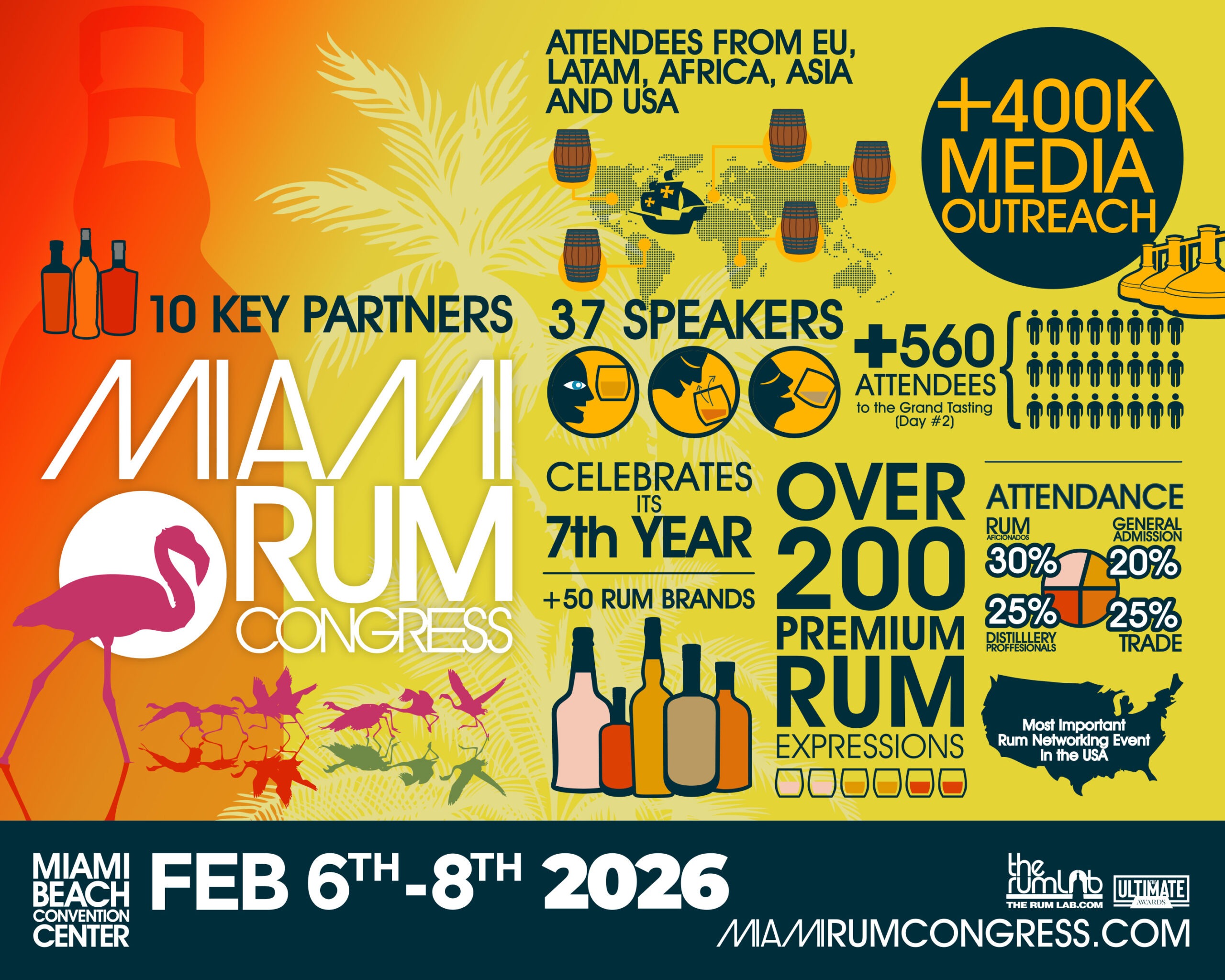
The Miami Rum Congress 2026, held on February 6th, 7th, and 8th, marked another powerful chapter for the rum industry, reaffirming its position as the most important rum trade event in North America.
With a strong presence of more than 50 international brands, distributors, educators, and industry leaders, the Congress once again transformed Miami into the epicenter of rum in the United States.
Strategically hosted in Florida, a state with the largest concentration of Hispanic and Caribbean communities, the event continues to serve as a critical gateway for brands seeking entry into the U.S. market.
If Miami Rum Congress clarifies anything, it’s that rum is more than just a fad; it’s a strategic approach.
The 2026 seminar program tackled the industry’s most pressing questions: distribution realities, shifting consumer behavior, fermentation science, cocktail evolution, compliance challenges, and long-term positioning in a competitive U.S. market.
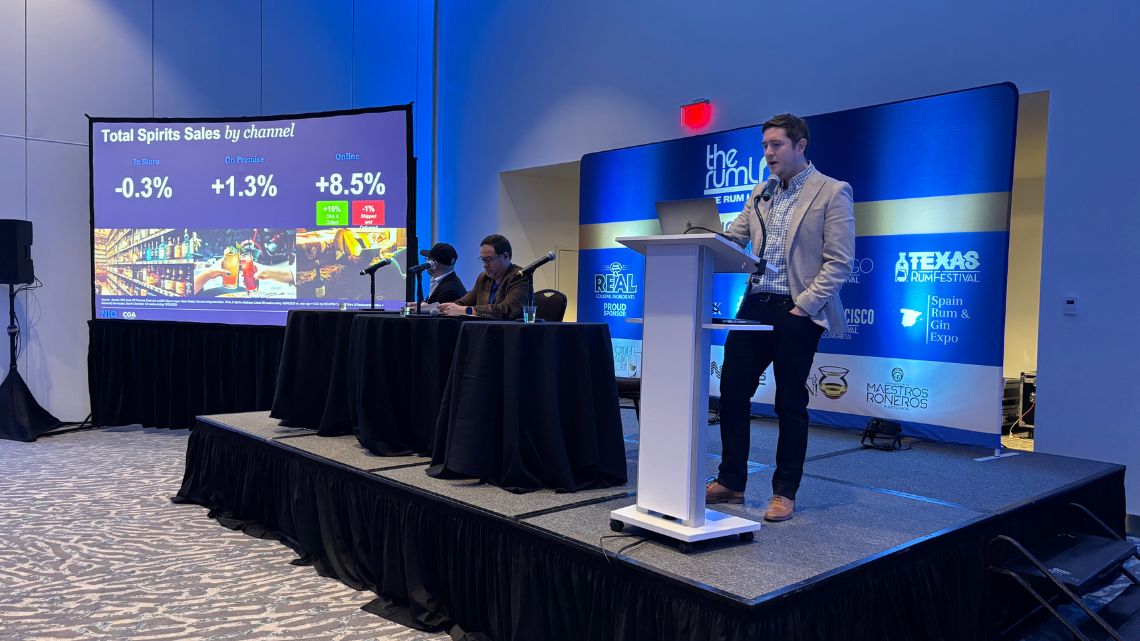
In this session speakers broke down how premium rums compete for limited menu space in top on-premise accounts and what decision-makers actually prioritize, from price architecture and brand story to sell-through metrics and cocktail integration.
The seminar also dove deep into e-commerce dynamics, explaining how brands can use digital tools to drive velocity.
This session focused on how Gen Z and younger legal-age drinkers are redefining spirits consumption. Panelists explored how Ready-to-Drink (RTD) formats continue to expand globally, particularly in the premium segment, and how rum can successfully participate in that growth.
This session examined historical cycles across distilled spirits, identifying the economic, cultural, and regulatory forces that create peaks, plateaus, and reinventions. Panelists discussed the impact of tariffs, wellness movements, overproduction, and shifting drinking habits on category performance.
In this seminar, experts discussed the true cost structure behind production, importation, logistics, and distribution, areas that often derail otherwise promising brands. The session also covered what truly makes a winning pitch resonate with U.S. partners.
This technical session highlighted how diverse fermentation methods, from light Spanish styles to high-ester Jamaican expressions and grassy rhum agricole, determine global rum profiles. Experts detailed the impact of raw materials, yeast, duration, and techniques like dunder on flavor and aroma.
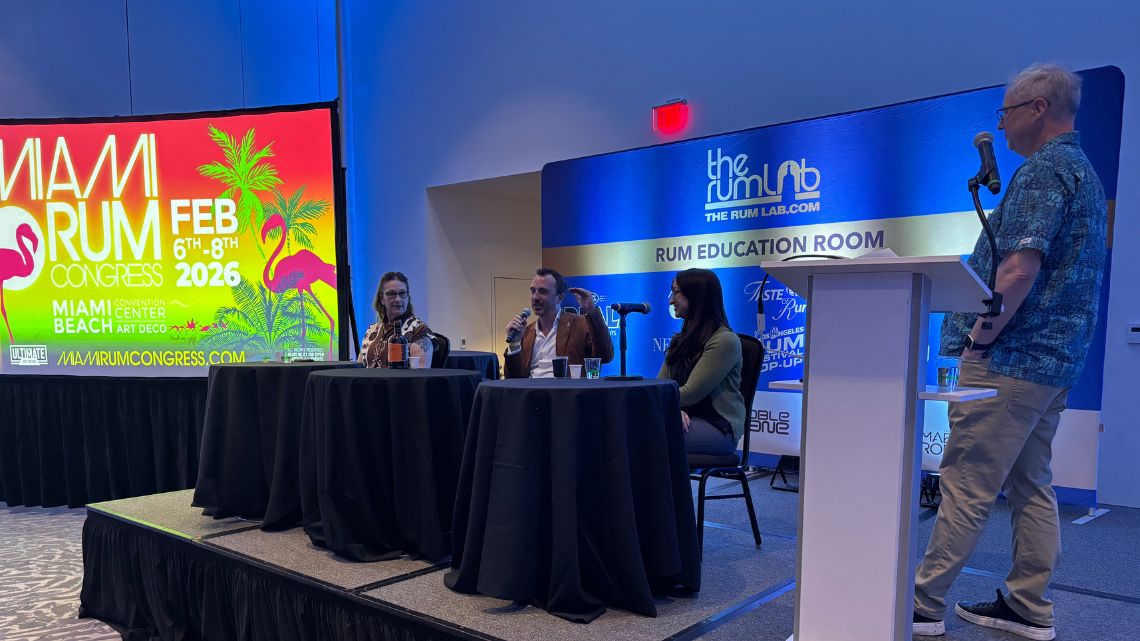
This conference challenged the outdated notion that rum belongs only in tropical drinks. Bartenders and brand ambassadors demonstrated how multi-region blends and newly available rum styles are entering contemporary cocktail programs in unexpected ways.
Panelists reframed rum as a versatile base spirit capable of serious cocktail structure, not just vacation vibes.
This closing seminar focused on how local bartenders are reshaping rum cocktails for today’s drinkers. Moving beyond predictable formats, panelists explored experimental pairings, cross-cultural influences, and modern bar program design.
The Spanish-language Congress reinforced Miami’s role as a cultural and commercial bridge between Latin America, the Caribbean, and the United States. The sessions offered strategic and forward-looking perspectives on identity, innovation, and consumer behavior.
This seminar explored how spirits brands can innovate without losing authenticity. As production techniques evolve and consumer expectations shift, the challenge becomes balancing modern strategies with heritage and terroir.
Focusing heavily on data and cultural analysis, this session examined how today’s consumer differs dramatically from a decade ago. Panelists explored how brands must adapt storytelling, positioning, and engagement strategies to remain relevant through 2026 and beyond.
Experts discussed experimental maturation techniques, process optimization, sustainability practices, and sensory differentiation.
As consumers demand higher quality and greater transparency, aging innovation becomes both a technical and strategic advantage.
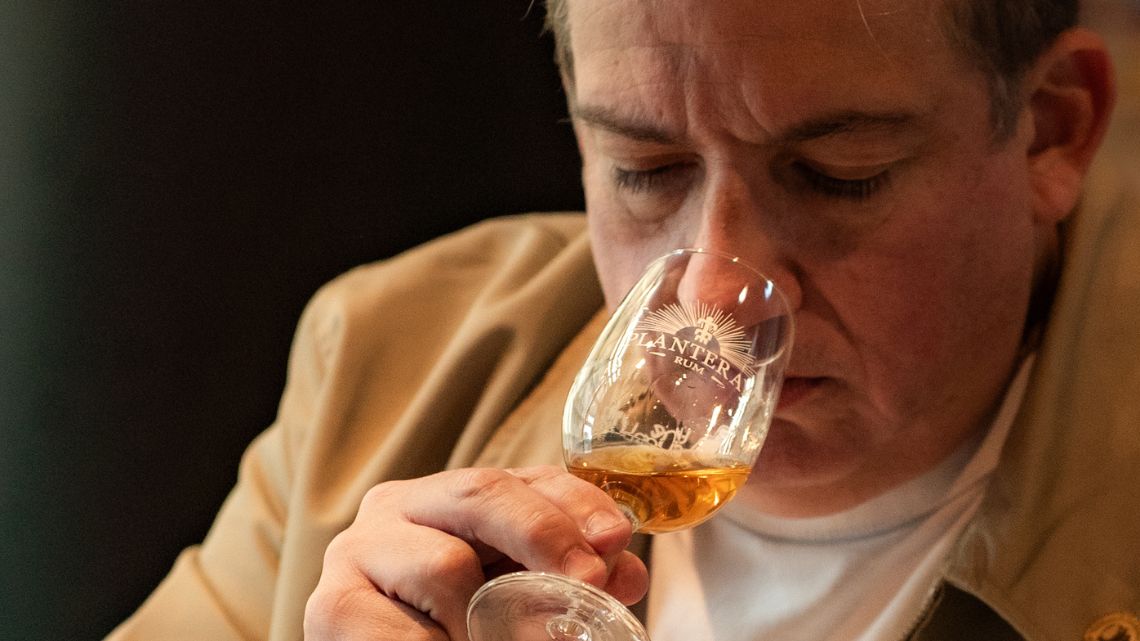
This masterclass explored Extreme Series VI – Legends of Rum, a collection of rums. Bottled straight from the cask at natural proof, each expression preserves the raw, unfiltered soul of a unicorn barrel from Alexandre’s personal stock.
During the session, guests tasted three exceptional expressions from the collection.
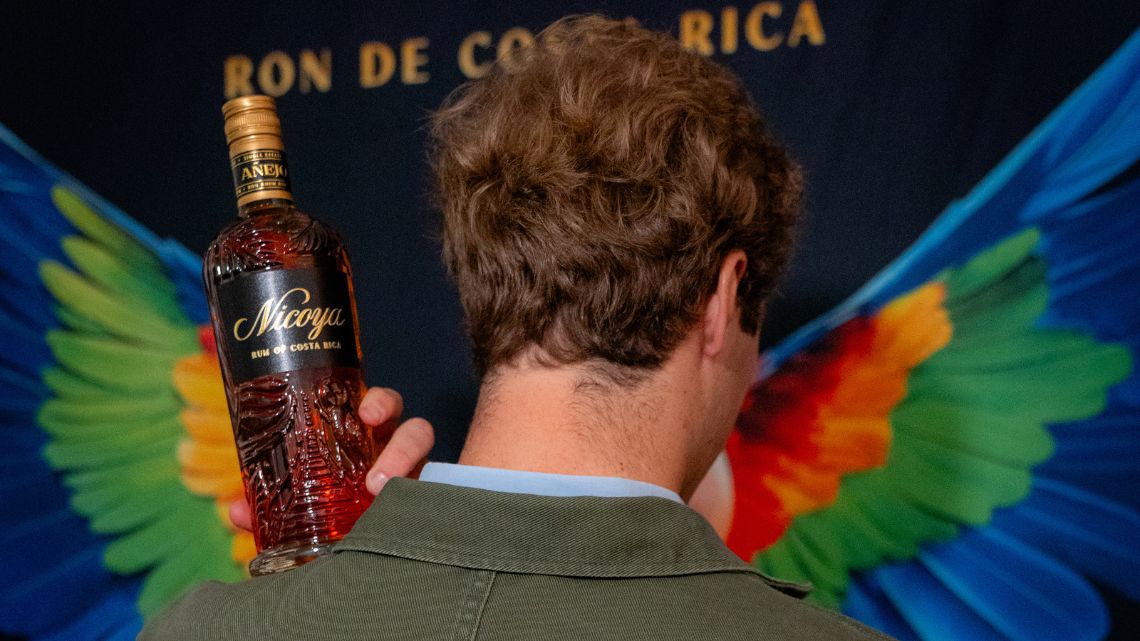
Pierre Bardinet shared the story behind the creation of Costa Rica’s first single-estate rum: Nicoya Rum. From an uncompromising focus on raw material to the art of blending, he explored how three major rum traditions can be combined to build complexity, balance, and identity.
This segment explored the evolution of aguardiente beyond tradition, highlighting how modern production, premium positioning, and contemporary branding are reshaping its perception on the global stage.
Several launches and announcements defined the 2026 edition.
The U.S. debut of Nicoya Rum underscored Miami’s importance as a commercial launchpad. The participation of three aguardiente brands reflected expanding consumer curiosity for sugarcane-based spirits.
Meanwhile, Rhum Week activated 10 Miami bars and restaurants with rum-focused cocktail menus, extending the Congress into the city’s hospitality scene.
The Ultimate Awards returned as a defining highlight, hosting its second official blind-tasting competition, judged by WSET Level III Spirits-certified professionals. Designed to recognize craftsmanship and innovation, the Awards spotlight producers shaping the future of rum.
With the continued success of this year’s edition, preparations are already underway for Miami Rum Congress 2027.
We encourage brands interested in entering the U.S. market, especially through Florida, to secure their participation early. The official Miami Rum Congress and TheRumLab channels will soon announce further details regarding dates, programming, and registration. But as of now, save the date of the 1st week of February 2027.
As rum expands across new markets and generations, Miami remains the gateway. And Miami Rum Congress remains where that journey begins.
Women Leading Rum & Spirits (WLR&S) announces the launch of the first International Bootcamp Zafra…
In 2001, Jean-Sébastien Robicquet founded Maison Villevert in France’s Charente region with a clear ambition:…
After a successful European rollout, the first rum of Costa Rica now arrives in the…
With more than 30 years devoted to the craft of rum, Magda López stands as…
For much of last year, the ready-to-drink category carried a familiar label: the industry’s bright…
Pernod Ricard recorded a challenging first half, as Pernod Ricard H1 sales fell sharply under…