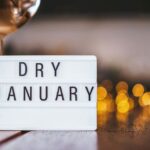


Gen Z Drinking Trends Shift Ahead of Dry January

New findings from the Autumn 2025 IWSR Bevtrac survey show a noticeable cooling in monthlong abstinence among Gen Z legal-drinking-age (LDA+) consumers across several global markets. Although Dry January and similar initiatives once captured strong interest from younger drinkers, that momentum is no longer rising.
Gen Z Drinking Trends Show Declines in Monthlong Abstinence
The IWSR reports that participation in full-month abstinence dropped sharply among Gen Z LDA+ drinkers in major regions. In the UK, the share of young adults who paused drinking for a month or longer fell from 33% in Autumn 2024 to 24% in Autumn 2025. Australia saw an even bigger slide, from 39% to 24% over the same period, according to IWSR.
This downward pattern appeared across most of the fifteen surveyed markets. France fell from 32% to 24%, Italy from 26% to 16%, and Brazil from 39% to 35%. In the United States, participation held almost flat, shifting only from 32% to 31%. Mexico stood out as the only market with growth, rising from 31% in Autumn 2024 to 35% in Autumn 2025.
Across all countries combined, IWSR recorded a slight decline—from 30% to 28%—in monthlong abstinence among Gen Z LDA+ drinkers.
Temporary Abstinence Stalls Across All Ages
Beyond generational differences, short-term abstinence of any length also shows signs of slowing. In Autumn 2025, 39% of all adult drinkers reported taking a break from alcohol for at least one day in the previous six months. That figure dropped from the upward trend seen from 40% in Autumn 2024 to 41% in Spring 2025.
Some markets, like the US and UK, experienced especially clear declines. According to IWSR, the US dipped from 40% to 38%, while the UK fell from 39% to 35%.
Gen Z Drinking Trends Converge with the General Population
After two years of strong increases, Gen Z’s overall alcohol participation rate has steadied. In Autumn 2025, 74% of Gen Z LDA+ respondents said they had consumed alcohol within the last six months, up only slightly from 73% in Spring 2025. However, that number remains significantly above Spring 2023, when only 66% reported recent drinking.
The gap between Gen Z and the general adult population continues to narrow. With all adults reporting a 77% drinking rate in Autumn 2025, the difference now sits at just three percentage points—the smallest gap IWSR has ever recorded. In Spring 2023, the gap was 9%.
Several markets show notable increases, including the UK, where Gen Z participation rose to 79% from 76% in Spring 2025 and 66% in Spring 2023. Taiwan followed a similar trajectory, climbing to 78% from 67% in Spring 2025 and 61% in Spring 2023.
Millennials Enter Their Own Moderation Era
While Millennials remain the generation most engaged with beverage alcohol, their habits are beginning to change. In the Autumn 2025 survey, 81% reported drinking in the last six months—down from 83% in Spring 2025 and marking the lowest participation rate IWSR has ever tracked for this cohort.
Millennials also consumed fewer categories per drinking occasion. Their average dropped from 2.8 in Autumn 2023 to 1.8 in Autumn 2025 across all fifteen markets, according to IWSR.
American Millennials show another shift: more of them now choose to drink at home. Their share of on-premise last-drink occasions fell from 41% in Autumn 2024 to 36% in Autumn 2025.
Insights from IWSR on Evolving Behaviors
Marten Lodewijks, President and Managing Director at IWSR, shared several observations from the latest findings:
- “Temporary abstinence appears to be less central to moderation strategies than it once was. This is especially the case among Gen Z LDA+ drinkers, who have always been its most enthusiastic adopters.”
- “Moderation is still an important trend across the entire beverage alcohol industry, but performative abstinence periods are less of the driving force they once were. Instead, consumers moderate by drinking less often and, when they do drink, they tend to drink less.”
- “Gen Z LDA+ continues to converge with the general population when it comes to drinking habits. We expect the already small gap to shrink further as more of Gen Z enters the full-time workforce.”
- “American Millennial drinkers are becoming more likely to stay home with friends and family to drink than to go out to bars, clubs, and restaurants.”
Lodewijks links these changes to shifting social preferences but also highlights the clear influence of tighter disposable income.
IWSR: Context Behind the Data
For more than five decades, IWSR has delivered global beverage alcohol data and insights to industry leaders. The organization blends proprietary market research, consumer behavior studies, AI-enhanced analytics, and local intelligence across 160 markets. This structure supports the strategic planning of companies in spirits, beer, wine, packaging, ingredients, distribution, and finance.
What These Gen Z Drinking Trends Signal for the Industry
The latest Bevtrac survey shows a generation in transition. Gen Z appears to be moving away from the strict, monthlong abstinence that once defined its approach to moderation. Instead, broader economic pressure and evolving social norms are shaping more flexible, sustained moderation behaviors—while Millennials embark on their own shift toward simplicity and at-home drinking.
Stay Updated
From Casks to Cocktails—We’ve Got You Covered! Sign up for expert insights, tasting notes, and everything rum-related!
Source of Information
IWSR Article — Ahead of Dry January, Gen Z interest in monthlong abstinence stalls, written by Emma Rumney
The image of the article is courtesy of © Daniel Adams via Canva.com