


The Sweet Rise of Okinawan Rum: Tradition, Innovation, and Community
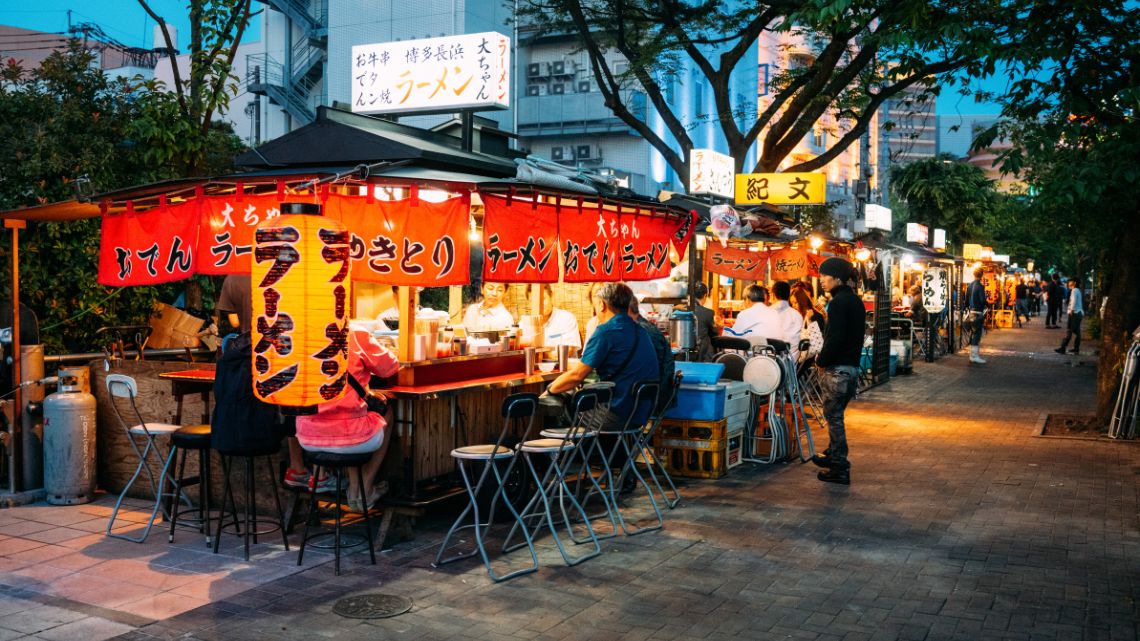
For years, Okinawa’s traditional spirit, awamori, has seen declining sales. Since 2004, distilleries have struggled as drinkers turn to a wider range of beverages. “Okinawa didn’t used to have a big selection,” explained Akira Nakazato, manufacturing manager at Mizuho Distillery, during an interview in Naha (The Japan Times). Beer and awamori once dominated local drinking culture, but global influences and the internet changed the landscape.
While some distilleries pivoted to whisky or experimented with flavored liqueurs, Nakazato turned to the islands’ strongest resource: sugarcane.
Sugarcane: The Foundation of Okinawan Rum
Sugarcane has shaped Okinawa’s economy for more than 600 years. Introduced in 1374 and developed into a thriving industry by 1623, the crop remains the prefecture’s lifeline. In 2023, sugarcane accounted for 20% of all farm income and 50% of cultivated land, according to Japan’s Agriculture & Livestock Industries Corporation.
Yet, the past decade brought declining profits, stagnant prices, and stockpiles of unsold kokutō (muscovado sugar). Farmers, especially on remote islands, faced hardship. Nakazato saw an opportunity to support them. Between 2021 and 2023, he toured local farms to understand their challenges. “The elderly sugar producers said to me, ‘Make delicious rum … so we can sell a lot,’” Nakazato recalled (The Japan Times).
The Eight Islands Series and OneRum Brand
Nakazato responded by creating rum that reflected the terroir of each island. Working with farmers, researchers, and bartenders, he launched the Eight Islands Series under his OneRum brand. From 2021 to 2023, he released rums made with kokutō from Iheya, Kohama, Ie, Iriomote, Tarama, Aguni, Hateruma, and Yonaguni. In 2023, he introduced the Okinawa Islands Rum, blending all eight.
“Each island’s sugar has its own flavor and terroir, and that’s what I wanted to showcase,” Nakazato said while sharing samples of kokutō with The Japan Times.
Okinawan Rum’s Long Road to Recognition
Although Helios Distillery began producing rum for American troops in 1961, Okinawa’s rum industry remained quiet for decades. Grace Rum Distillery finally revived interest in 2004, crafting agricole-style rums under the Corcor label.
Momentum grew slowly. Taragawa Distillery launched cask-aged rums in 2018, and Seifuku Distillery released its first rum, Ishigakijima Silver, in 2022 after Japan relaxed alcohol licensing laws during the pandemic. “We are now able to seriously develop our rum business,” said Kenryu Kanna, CEO of Seifuku, in The Japan Times.
Other producers like Iejima Distillery added bold new expressions, including its Voyage Series, aged in casks from Spain and Scotland. “Bars and restaurants are picking up on the rum trend,” noted representative Makoto Asaka.
Innovation and Community Collaboration
Okinawan rum distilleries share one value: community engagement. Nakazato partnered with Naha’s El Lequio bar, part of the SG Group, to craft kokutō-based spirits used in cocktails such as the Chura-Umi Salad. For his second batch of Iheya rum, he even donated bottles back to locals for the furusato nōzei (hometown tax) program.
Meanwhile, distilleries like Seifuku and Iejima ensure stable molasses supplies by sourcing directly from farmers. Asaka emphasized that expanding to 720ml bottles shows growing interest from both consumers and restaurants.
The Future of Okinawan Rum
With about eight producers now in operation, Okinawan rum is carving out its place in Japan’s spirits scene. Distillers experiment with kokutō, molasses, syrup, and juice, blending heritage with modern craftsmanship.
Nakazato sees his mission as larger than business. “If I can’t grant [farmers’] wish, I feel there is no future for Okinawa,” he said. For him, rum represents a way to lift the islands’ economy, preserve their culture, and introduce the Ryukyu legacy to the world.
“I was never destined to become a politician,” Nakazato told The Japan Times. “But if the alcohol I produce reaches someone, then maybe Japan and Okinawa will have a better place in the world.”
Stay Updated
Your Rum Journey Starts Here! Join our community for exclusive content, tasting guides, and insider access to the world of rum.
Source of information
The Japan Times Article — The sweet rise of Okinawan rum, written by Miriam Gradel
The image of the article is courtesy of ©Gije Cho via Canva.com