


China Spirits Market Recalibrates as Consumer Trends Shift
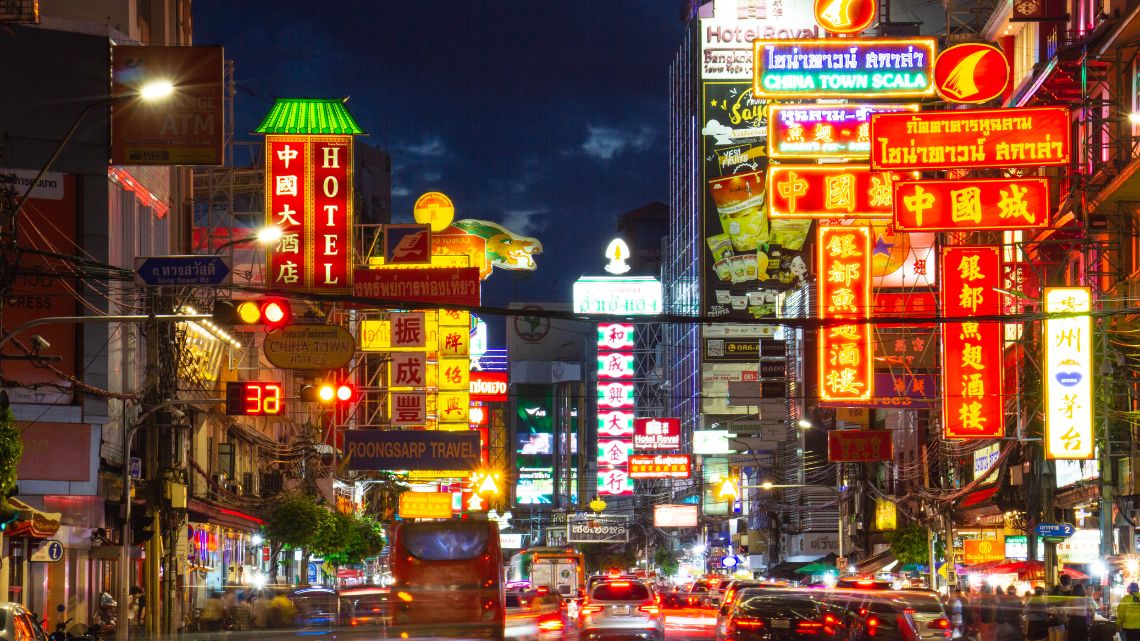
The China spirits market struggled in the aftermath of pandemic lockdowns, changing consumer demographics, and a sluggish economy. IWSR data shows mainland spirit volumes declined about 7% year-on-year between 2023 and 2024, with brandy volumes down 17%, whisky down 6%, and national spirits like baijiu also declining. Premium imports continue to comprise only 3–5% of total market volume.
Jens Eskelund, president of the EU Chamber of Commerce in China, attributes this slowdown to broader economic challenges. In his view, the country’s economic softness and demographic shifts have eroded demand for both domestic and premium spirits.
Recovery Proves Uneven Across Regions
Bobby Carey from Proof Creative describes the market as “cautious but recalibrating.” He adds that while growth in top-tier cities like Shanghai and Shenzhen signals renewed consumer confidence, demand outside these urban hubs remains irregular. Consumers now seek brand depth and intentional spending.
Chris Lee of Kavalan (King Car Group) points out that growing interest in premium spirits aligns with increased demand for single malt whisky. His brand has positioned itself to capitalize on that trend.
Domestic Spirits Make Strategic Moves
Multinationals are adapting. Pernod Ricard and Diageo each launched local whisky distilleries—The Chuan Malt Whisky in Emeishan and YunTuo in Yunnan, respectively. Camus joined the trend through Guqi Distillery, a Chinese partnership producing whisky from Cognac heritage and baijiu expertise. Guqi blurs the line between imports and local spirits by offering both.
Ryan Camus, general manager of Guqi, explains that producing whisky locally gives the brand a decisive advantage amid heightened tariff risk and rising localization strategies.
Consumer Habits Reflect Economic Pressure
Kevin Song, of Beijing’s Hide & Seek bar, says the market favors affordable spirits over high-end imports. Drinkers once comfortable with 18-year-old Scotch now prefer 12-year blends. IWSR consumer data backs this shift, reporting reductions in higher-end whisky spend as consumers tighten luxury budgets.
Kevin continues: consumer preference now leans into emotional storytelling, whether via a brand’s sustainability ethos or a bartender’s narrative. Carey notes that bars engineered menus to offer flexibility and engage customers through cultural resonance and storytelling.
Rising Categories Spur New Opportunities
While traditional spirits stagnate, IWSR reports remarkable growth in new categories in China. Agave spirits rose 38%, rum increased 28%, and gin/genever jumped 27% year-on-year. Carey highlights agave marginals like Coa Shanghai for leading that push. Domestic gin, rum, and whisky brands are gaining traction among younger consumers as demand shifts toward authentic, boutique offerings.
The Future of the China Spirits Market
As the China spirits market recalibrates, brands that prioritize origin, authenticity, and emotional storytelling stand to benefit most. Whether through high-age expressions, creative cask finishes, or culturally aligned mixology activations, success will depend on deep consumer connection, agile strategy, and localized innovation.
Stay Updated
From Casks to Cocktails—We’ve Got You Covered! Sign up for expert insights, tasting notes, and everything rum-related!
Source of information
The Spirits Business Article — How the spirits market in China is recalibrating, written by Clinton Cawood
The image of the article is courtesy of © eeranont via Canva.com