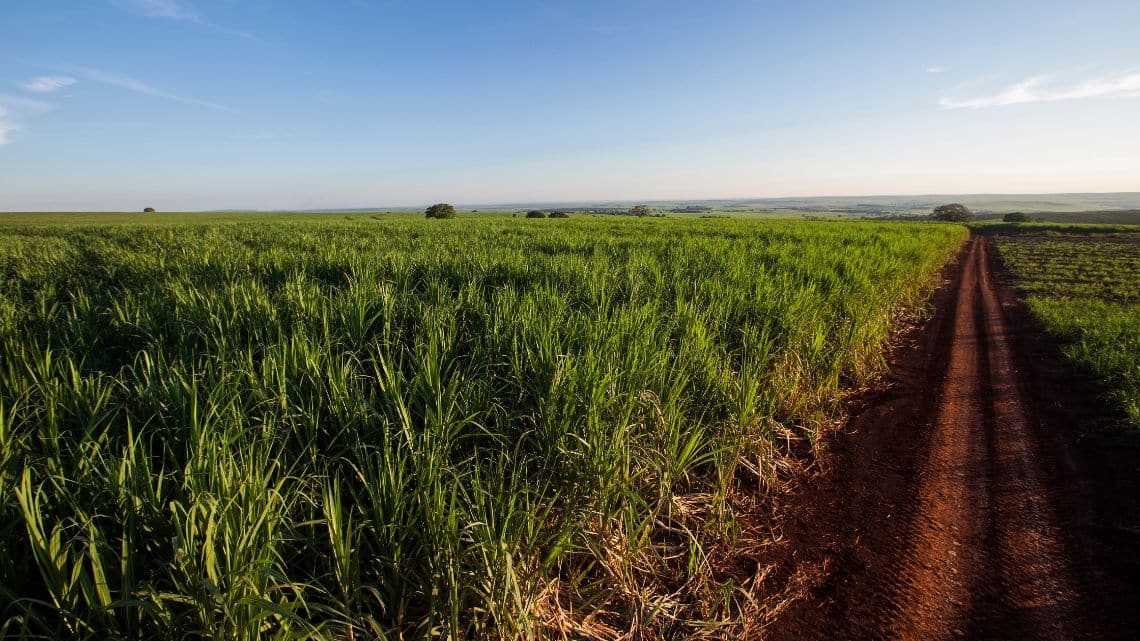
In the depths of the Amazonian earth in Brazil flows a liquid that stands as a symbol of independence, patriotism, love, and culture—one that has graced the stages of battles and extraordinary events, marking a before and after in the history of Samba’s homeland, embodying passion and joy: Cachaça.
Extracted from fresh sugarcane juice and aged in the wood of native trees, Cachaça is one of the most iconic drinks, not only for Brazilians but also for the entire liquor industry. Despite the challenges it has faced in the market, it has managed to reclaim its position and showcase the qualities it offers: quality, flavor, and a spirit of joy.
Due to its unique ingredients and the effects of global expansion, one recurring question often arises: Is Cachaça the same as rum?
While both spirits share sugarcane as a base ingredient, there are nuances to consider. In this two-part series, we’ll explore these differences, but we’ll let four experts, whom we posed this question, to guide us with their insights.
In this article, we have the privilege to share this debate with Philip Gillier (International Sales Manager for Magnifica Cachaça and Export Rum Consultant) and Pedro Paiva (owner of Alba Distillery), so let’s get to know their visions:
Since the 16th century, Cachaça has been one of the distilled spirits produced in Brazil. In fact, it is the first recorded spirit in Latin America, predating Caribbean rum by 100 years. This chronology highlights that Cachaça came before rum, making it clear that they are not the same.
Yes, both are sugarcane distillates, but to qualify as Cachaça, Brazilian law mandates the following criteria:
Philip’s note: “Cachaça de Alambique” was only recently recognized by Brazil’s Cachaça Regulation Office in 2023, highlighting the quality of artisanal Cachaça producers using pot stills, both for domestic awareness and to support the category’s growth in international markets.
Another unique trait of Cachaça is that it is aged in local woods, lending a one-of-a-kind flavor profile that can’t be replicated elsewhere. However, despite its qualities, Cachaça has suffered a reputation as a low-quality, inexpensive spirit over the years. Yet, the Cachaça community in Brazil is working to elevate it, especially through artisanal pot-still methods, showcasing an impressive range of flavor profiles, terroirs, and innovative aging practices.
It’s also important to note that Brazil is the largest sugarcane producer in the world, contributing about 25% of the global supply, and about half of the world’s sugarcane spirits come from Brazil. The diversity of terroirs within Brazil also profoundly influences Cachaça’s profile.
In my view, it is essential to respect the cultural heritage of Cachaça and its unique identity. This respect should extend to other regions with local sugarcane spirits, such as Cabo Verde’s Grogue, Haiti’s Clairin, Northern Latin America’s Viche, and Mexico’s Charanda.
Not recognizing Cachaça in the world of rum and not expanding our community to embrace the global cane culture means neglecting a significant part of our passion and history.
One of my lifelong interests is understanding human thought, which led me to study both psychology and philosophy. When I apply this to my passion for distilled spirits, I’m intrigued by how liquor is socially perceived and the meaning it gains over time.
So, from my perspective, cachaça and rum can be seen as similar products, given their shared sugarcane origin. Still, the distinction of cachaça lies in its role in Brazilian culture and history.
On the other hand, when it comes to international performance, I see significant growth potential for Cachaça in the global market, but to see that expansion, from my point of view, producers should focus on three areas:
Additionally, I see a new generation of distillers producing not only Cachaça but other sugarcane spirits, such as Aguardente de Cana, as we do at Alba Distillery.
Perhaps this could open the door for more industry enthusiasts and help bring the beauty and quality of Brazilian spirits to the global market.
Through the words of these two experts, it’s clear that Cachaça stands as a distinct spirit, different from rum primarily due to its origin and the cultural symbol it has become in Brazilian society.
Its journey across the world brings challenges, labels to shed, and numerous virtues to share. What will these virtues reveal?
In our next article, we’ll speak with Andréia Gerk (Cachaça specialist and federal agricultural auditor at the Ministry of Agriculture and Livestock) and Peter Nevenglosky (Co-founder of Drifter Spirits, Avuá Cachaça, and Svöl Aquavit), who will share not only their insights but also their passion, sip by sip, for this remarkable drink.
Don’t miss out on the next article! Subscribe to our newsletter and follow us on Instagram, LinkedIn, and X!
The image of the article is courtesy of © Bitenka via Canva.com
Collaboration will expand access to WSET qualifications and support 100 scholarship recipients by 2030 August…
With a career rooted in quality, sensory expertise, and the science of maturation, Sonia López…
Ron Tepuy represents one of the most ambitious projects within DUG Group’s portfolio — a…
The Daily Pour anunció hoy la adquisición de The Rum Lab, la marca de medios…
Fourth Recent Acquisition Cements The Daily Pour as the Dominant Player in Premium Spirits and…
Alexandre Gabriel is one of the most influential voices in the rum world and the…